
The company’s decision to sell its hardware at cost, rather than subsidizing the price to drive adoption, centers on a commitment to an open PC ecosystem. Valve representatives argue that traditional console models—which rely on subscription fees and locked-in software to recoup hardware investments—create restrictive environments. By maintaining a neutral pricing strategy, Valve aims to position the Steam Machine as merely one option among many, allowing users to prioritize their own preferences regarding performance, form factor, and peripherals.
Why Valve refuses to subsidize its new Steam Machine
With the Steam Machine priced at $1,049 for the base model, Valve is bucking the gaming industry’s standard practice of selling hardware at a loss. While competitors like Sony and Microsoft use low entry prices to lock users into closed ecosystems, Valve insists that such tactics stifle long-term innovation.
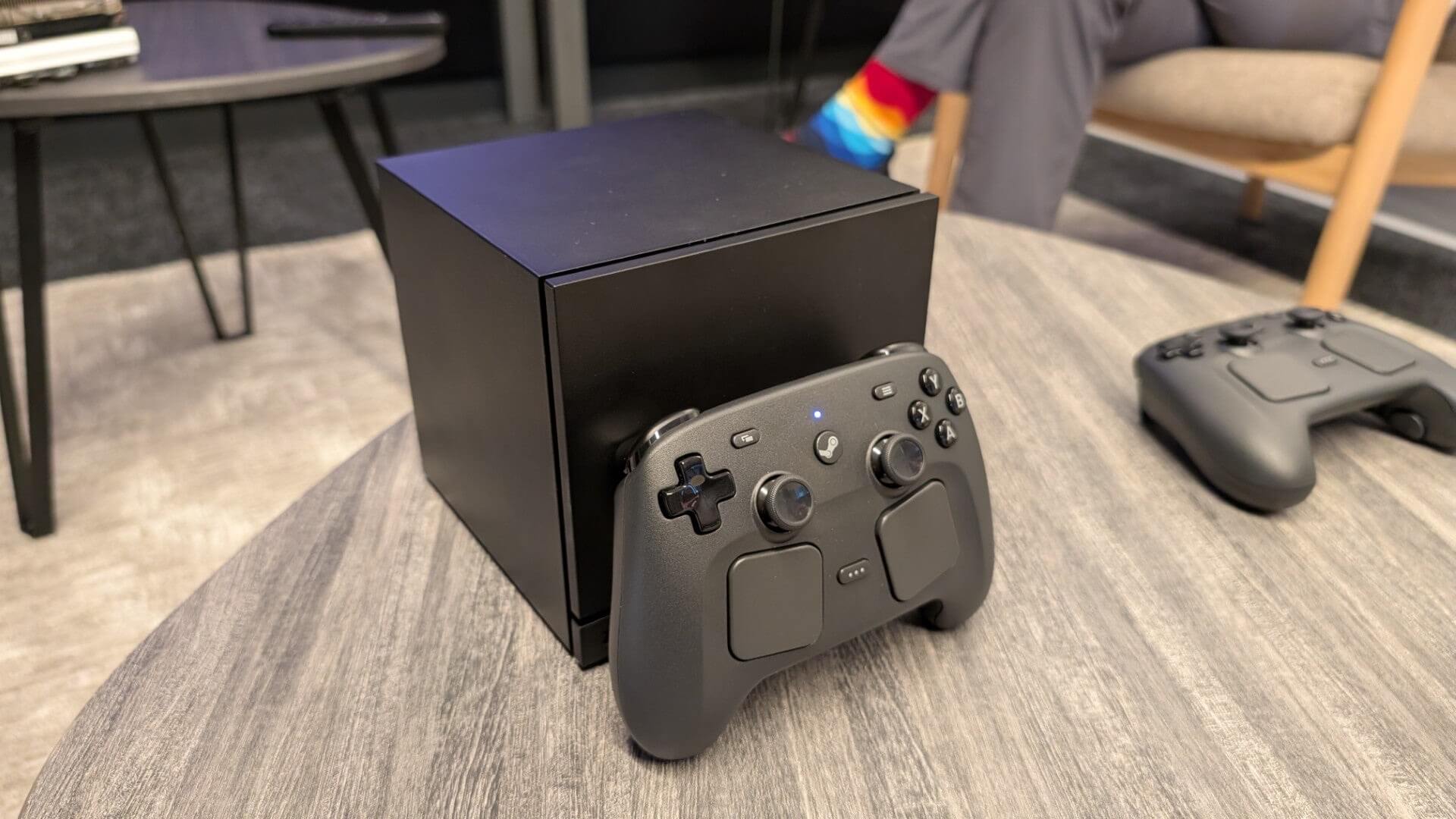
This pricing strategy is particularly aggressive compared to the Steam Deck, with developers Lawrence Yang and Pierre-Loup Griffais confirming that margins have been trimmed to keep costs as close to component prices as possible. However, the hardware’s path to market has been fraught with difficulty. The global component crisis, which originally pushed back the 2026 launch target, also significantly curtailed production. According to Griffais, Valve is currently producing only about two-thirds of its originally planned inventory, a outcome that nearly stalled the project entirely.


Comments (0)
No comments yet. Be the first!