
The mechanism functions by shifting magnetic fields to control light intake, a process captured in detail using Evident DSX2000 microscopy. While the engineering is sophisticated, the practical benefits remain subtle. Reviewers noted the impact on everyday photography is marginal, suggesting casual users may struggle to distinguish the results from fixed-aperture predecessors.
Inside the iPhone 18 Pro's complex mechanical aperture
A magnetic iris with six hair-thin, overlapping blades now sits within the iPhone 18 Pro and 18 Pro Max camera module. iFixit’s latest teardown reveals a feat of precision engineering that manages to fit a variable aperture mechanism into the same compact footprint as the previous generation's main lens.
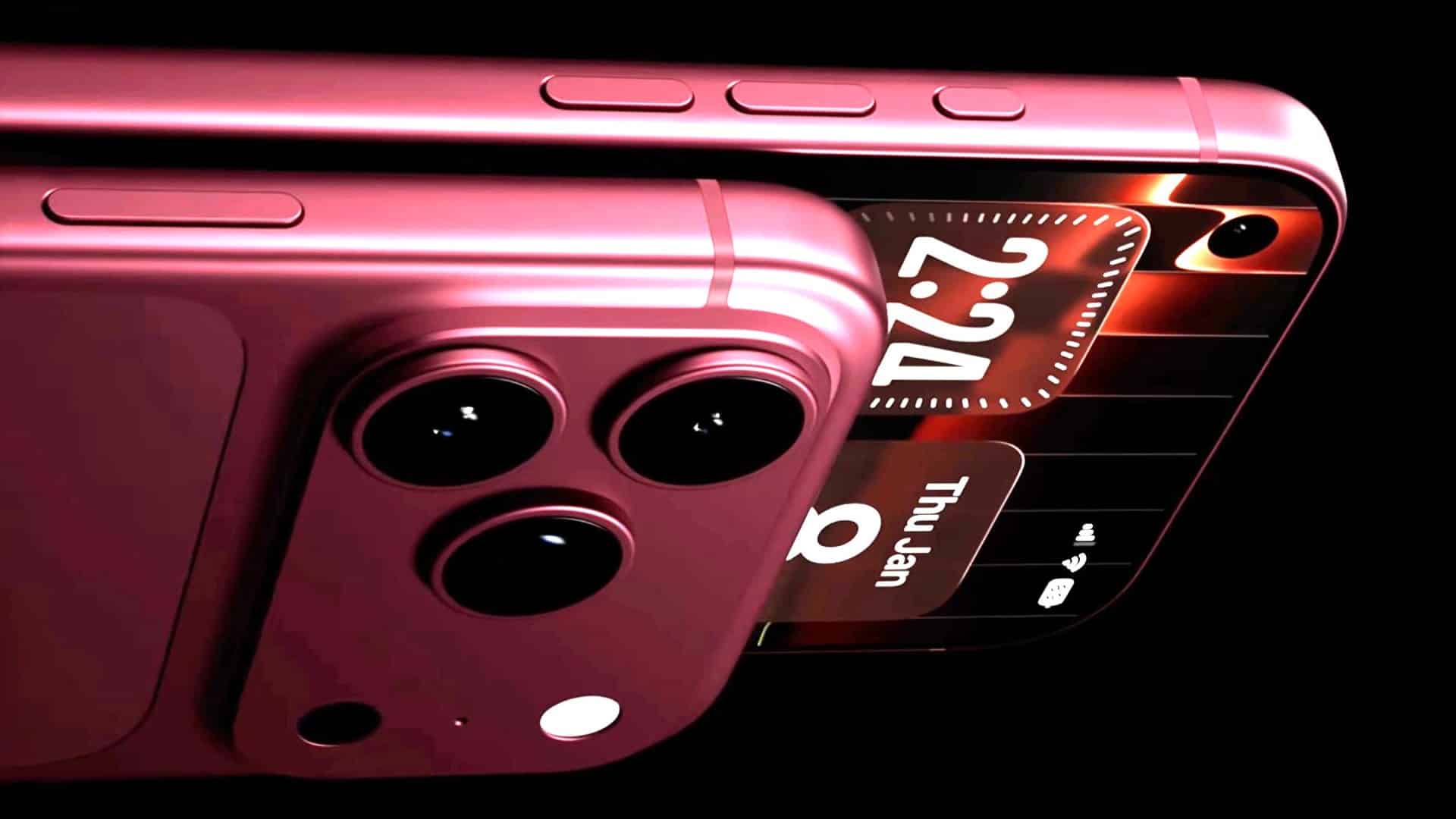
Repairability remains the significant trade-off for this hardware advancement. iFixit warns that the iris assembly is effectively impossible to service for the average technician, as it requires specialized tools and technical expertise beyond standard repair capabilities. Should the mechanism fail, users will be forced to replace the entire camera unit rather than individual components. While Apple has designed the assembly for relatively easy access, the company has yet to release the necessary replacement parts for the 18 Pro series.



Comments (0)
No comments yet. Be the first!