
HomeReleasesMapping the hidden supply chains of a green city
Releases

Mapping the hidden supply chains of a green city

At the 4th China International Supply Chain Expo in Beijing, the path to urban sustainability emerged not as a single breakthrough, but as a web of industrial cooperation. From smart dairy farms to hydrogen-powered transit, the event highlighted how interconnected systems define the modern green city.

Mapping the hidden supply chains of a green city

The construction industry is shifting toward what officials call Construction 4.0, prioritizing low-carbon materials and intelligent management systems over simple speed. At the China State Construction exhibit, representatives emphasized that zero-carbon infrastructure requires a unified value chain, integrating energy storage with autonomous building equipment to create healthier, more efficient living spaces.

This theme of integration extends to the food and textile sectors. Yili showcased how smart farming monitors dairy cow health in real time, linking forage cultivation directly to global research centers. Similarly, Purcotton demonstrated how sustainable, biodegradable fabrics are moving from basic consumer wardrobes into critical healthcare environments, proving that green supply chains rely on coordination from raw field production to final product disposal.

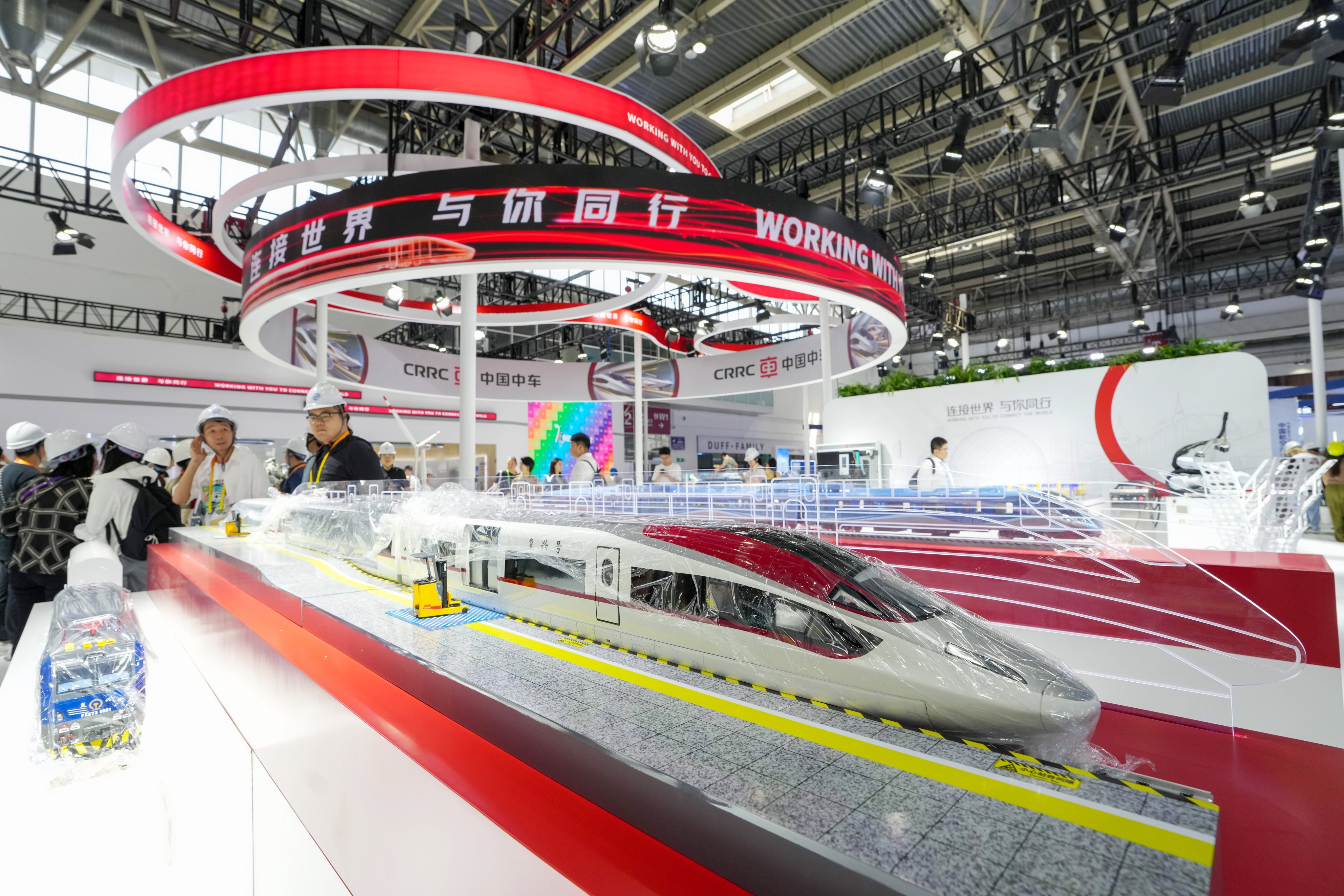
Transportation, meanwhile, has evolved into a broader ecosystem of energy and digital data. At the CRRC booth, hydrogen-powered and carbon-fiber trains functioned as nodes within a network that includes wind power equipment and advanced manufacturing platforms. These exhibits underscored that the future of urban centers rests on the invisible flow of innovation and data connecting disparate industries into a functional, sustainable whole.

Comments (0)

Leave a comment

No comments yet. Be the first!