
Many organizations face a paradox: they recognize the necessity of renewable energy but feel paralyzed by perceived complexity and high upfront costs. Zhao notes that the conversation is shifting from simple adoption to long-term value, where businesses prioritize intelligent, data-driven systems over traditional models. By focusing on integration and optimization, LFJOY Global aims to simplify the shift, moving clients away from viewing energy solely as a technical requirement toward seeing it as a strategic asset.
Closing the Execution Gap in the Philippine Energy Transition
The Philippines has set an ambitious target to cut greenhouse gas emissions by 75 percent by 2030, but translating policy goals into corporate reality remains a hurdle. Wei ‘Joy’ Zhao, CEO of LFJOY Global, argues that businesses are stuck in a transition gap between initial interest and actual implementation.
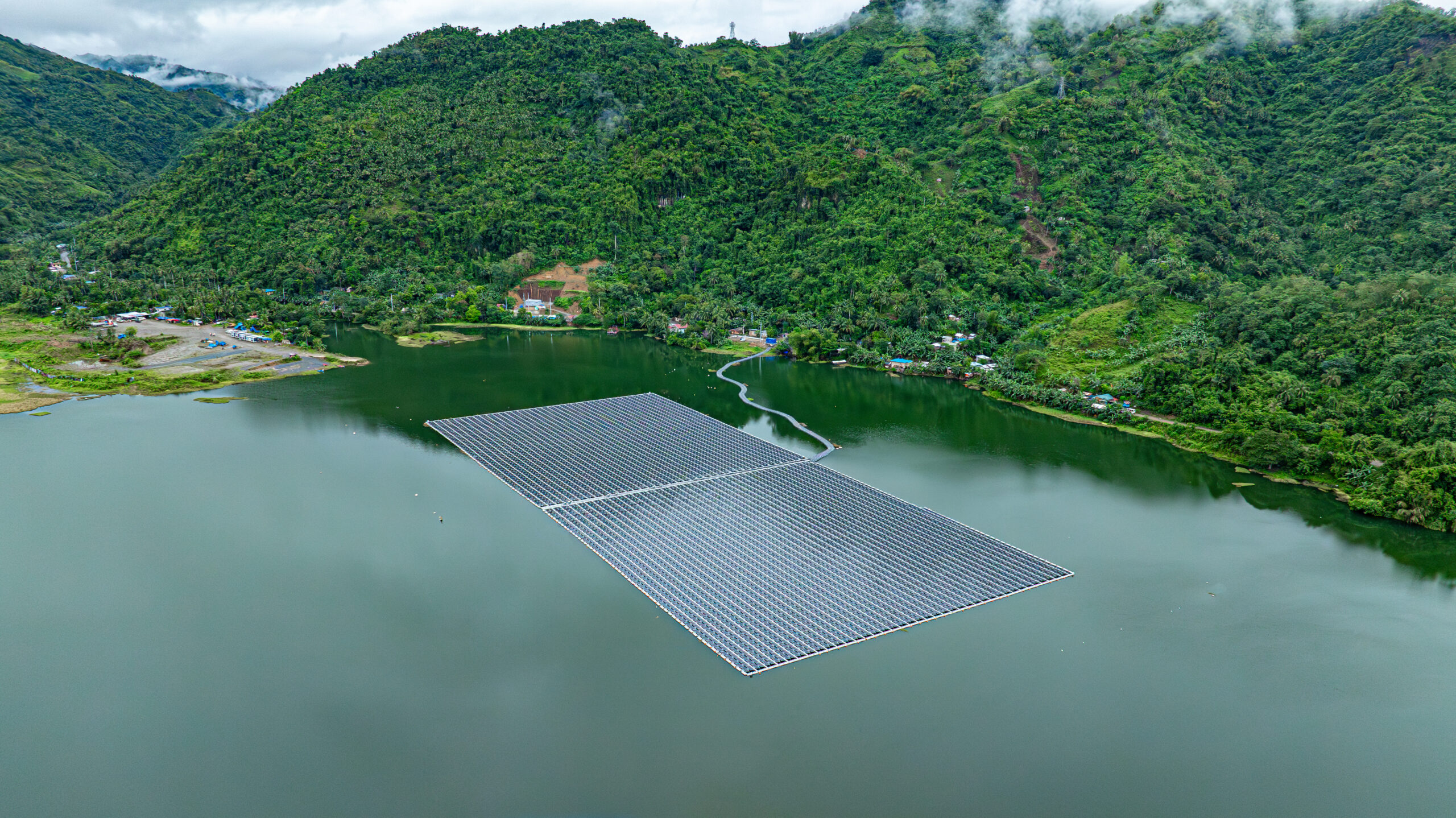
For an archipelagic nation of 7,600 islands, centralized infrastructure is often insufficient. Zhao points to hybrid systems—combining solar, storage, and intelligent management—as the most effective way to provide reliable power to underserved communities. Through a partnership with Huawei Digital Power, the firm is deploying decentralized, scalable solutions to bridge the gap between global technology and local infrastructure needs. This shift toward a more intelligent and decentralized grid remains the core of the country's path to energy independence.



/kalakaumudi/media/media_files/uBrzqeG4z8BQxxYVU344.JPG)
Comments (0)
No comments yet. Be the first!