
The scale of the online backlash is significant, generating 6.3 million engagements and millions of views. Industry lobby group WindEurope and CASM Technology identify a distinct disconnect: while local grassroots movements produce the bulk of the content, fringe media outlets and political figures amplify these narratives to reach broad, receptive audiences. The data highlights a geographic shift, with high-volume posting originating in Northern and Western Europe, while engagement spikes sharply in countries like Poland, Bulgaria, and Italy.
Europe's wind power grid faces a rising tide of digital sabotage
A coordinated disinformation campaign is targeting European wind energy, threatening to stall multi-billion-euro projects just as the continent seeks to secure its energy independence. Between May 2024 and February 2026, researchers tracked over 42,000 posts across six platforms, revealing a sophisticated effort to weaponize debunked myths against renewable infrastructure.
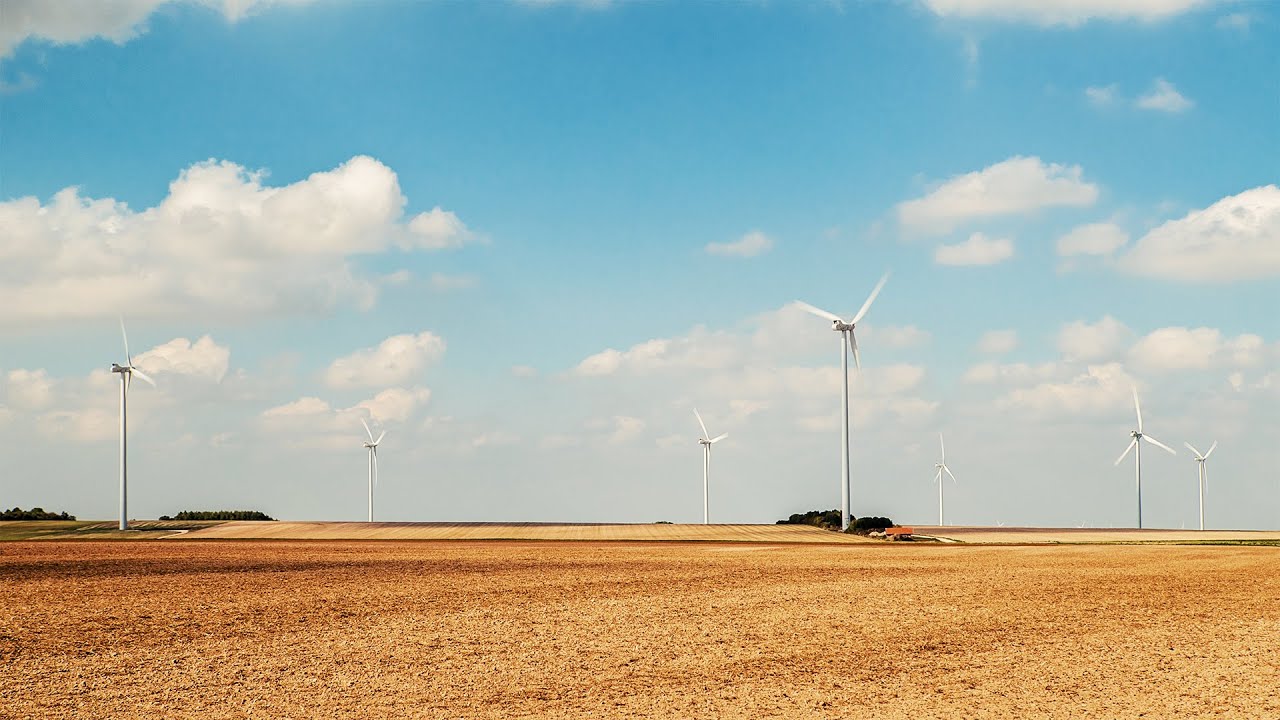
These digital narratives are not merely academic; they are dictating real-world policy. In the Bulgarian municipality of Vetrino, local authorities enacted a total moratorium on wind power following false claims regarding cancer risks and environmental ruin. Similarly, in the Austrian province of Carinthia, a referendum successfully blocked wind farm construction after campaigns falsely alleged that turbines would destabilize the power grid. Christopher Zipf of WindEurope warns that these maneuvers are actively delaying or cancelling projects worth billions of euros. With the Kremlin suspected of fueling climate-related disinformation to maintain European reliance on fossil fuels, EU Energy Commissioner Dan Jørgensen has called for immediate action to protect the bloc's transition to green energy.



/kalakaumudi/media/media_files/uBrzqeG4z8BQxxYVU344.JPG)
Comments (0)
No comments yet. Be the first!