
The European Commission has moved quickly to align itself with the Vatican’s stance. Thomas Regnier, the Commission’s spokesperson for tech sovereignty, praised the document this week, asserting that the Pope’s vision for a robust legal framework mirrors the path Europe is already carving out. This embrace serves as a strategic reinforcement for Brussels, which seeks to position itself as the global architect of rights-based AI governance.
Pope Leo XIV’s AI encyclical deepens global regulatory divide
A 42,300-word papal encyclical has sparked a transatlantic clash over the future of artificial intelligence. While Pope Leo XIV advocates for a human-centered, state-regulated framework, Silicon Valley leaders remain dismissive, highlighting a sharpening divide between European caution and American techno-optimism regarding the rapidly evolving technology.
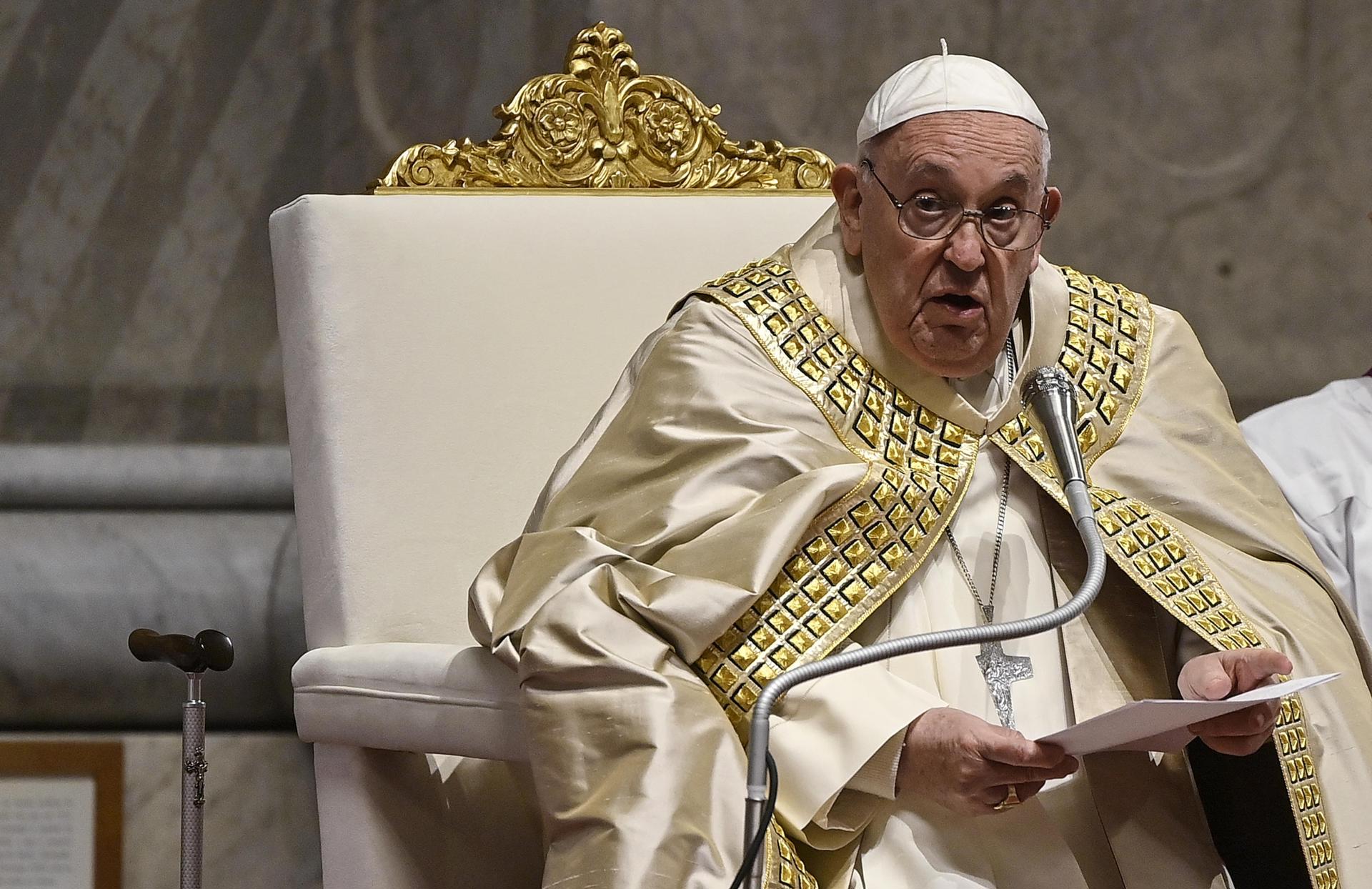
Contrasting this, the reaction in the United States has been largely cold. Tech executives and former government officials have rejected the call for increased state intervention, viewing it as an obstacle to innovation. Despite these ideological differences, the reality of policy implementation remains complex. Even as the EU champions the Pope’s call for oversight, it has recently moved to soften its own landmark AI Act, carving out industrial applications and delaying key regulations following intense industry lobbying. As Luka Ignac of the Centre for Future Generations notes, the significance of the encyclical lies in its attempt to frame AI as a societal challenge, a narrative that continues to gain traction in Brussels even as internal political and industrial pressures mount.



/kalakaumudi/media/media_files/uBrzqeG4z8BQxxYVU344.JPG)
Comments (0)
No comments yet. Be the first!