
Musk described the current phase as a slow, bumpy start, noting that thousands of variables must align before the robots can serve as productive tools. While the company aims for a future where humanoid robots outnumber humans, it has yet to disclose basic metrics such as current production volume or autonomous success rates. Currently, the company must bootstrap its software development by deploying 10,000 to 20,000 robots into an internal 'Optimus Academy' to gather the training data required for complex tasks.
Tesla’s Optimus enters production, but software lags behind hardware
Tesla has launched early production of its Optimus humanoid robot at a high-volume facility in Fremont, California, yet Elon Musk admits the machine remains far from functional. Despite the manufacturing milestone, the robot lacks the necessary AI, hand dexterity, and reliability to handle real-world industrial tasks.
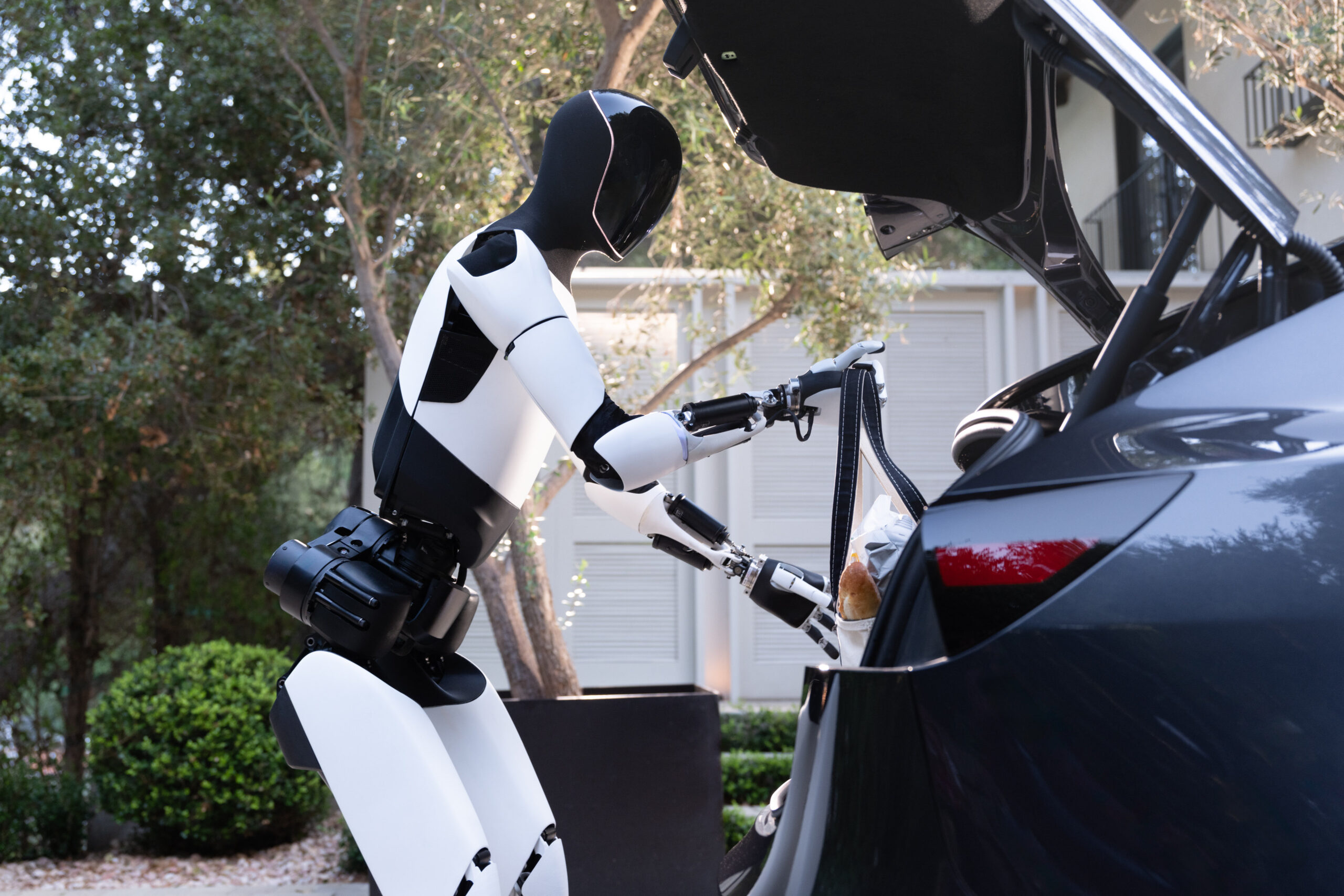
Experts remain skeptical of the timeline. Ken Goldberg, a robotics professor at UC Berkeley, argues that hardware is only half the battle, noting that dexterity in manipulating delicate materials remains a significant hurdle that likely will not be cleared in the next few years. Tesla plans to integrate its more powerful AI5 chip by 2027 to bridge the gap, but the company is still refining fundamental components like the robot’s hands. For now, the move into the Fremont plant serves as a proof of manufacturing capability rather than evidence of a ready-to-work machine.



Comments (0)
No comments yet. Be the first!