
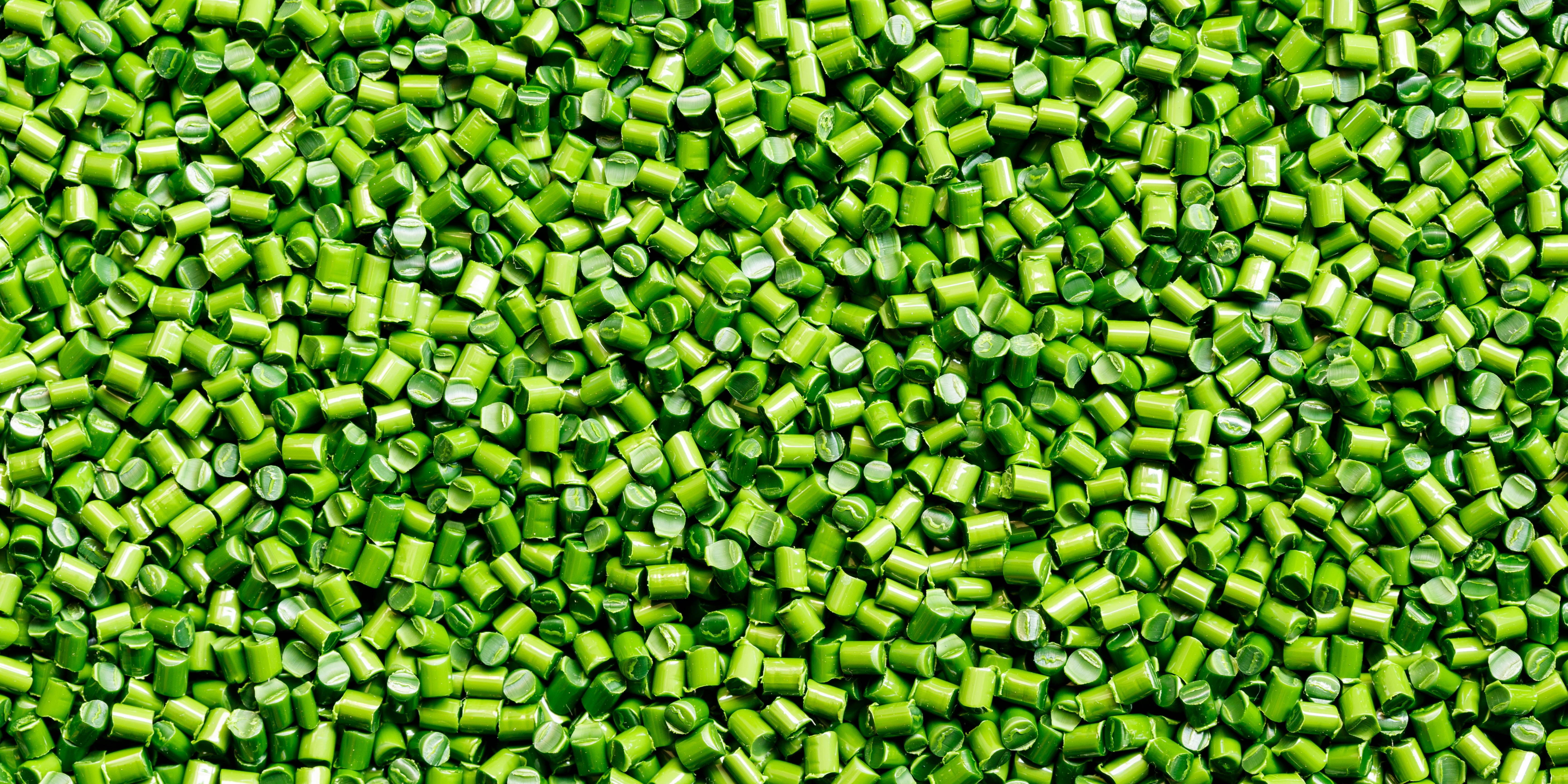
Demand for renewable plastics is surging as corporations move away from petroleum-based materials to meet strict sustainability mandates. Produced through the fermentation of corn starch, sugarcane, and cassava, PLA has evolved from a niche bioplastic into a versatile resin used in textiles, biomedical devices, and 3D printing. Manufacturers are currently prioritizing the development of heat-resistant grades and advanced circular recycling methods, such as chemical hydrolysis, to ensure these materials remain viable after their initial lifecycle.
Global Polylactic Acid Market Poised to Hit $5.23 Billion by 2031
The global market for polylactic acid is set for rapid expansion, with valuations projected to climb from $2.24 billion in 2026 to $5.23 billion by 2031. Driven by a compound annual growth rate of 18.5%, the sector is shifting from simple packaging toward high-performance, bio-based industrial applications.
Regional dominance and production shifts
Asia Pacific currently leads the market, serving as both the primary production hub and the fastest-growing consumer region. China remains central to this growth, supported by large-scale infrastructure investments. Recent strategic moves underscore this momentum, including NatureWorks LLC’s April 2026 launch of a 75,000-metric-ton facility in Thailand. While the industry faces ongoing hurdles regarding feedstock price volatility and the necessity for specialized industrial composting infrastructure, the push toward label-free, recyclable packaging indicates a maturing sector. As TotalEnergies Corbion and other key players scale their operations, the focus is shifting from simple biodegradability to integrated, closed-loop production models.



Comments (0)
No comments yet. Be the first!