
The core innovation lies in replacing the fine metal mask—a stencil-like component prone to sagging and alignment errors—with a precision process utilizing UV light and photolithography. This shift allows for more accurate pixel patterning, effectively removing the size and resolution constraints that have historically plagued large-scale OLED manufacturing.
LG Unveils FLiPP Technology to Extend OLED Display Lifespan
LG Display has introduced a manufacturing method dubbed FLiPP, designed to overcome the physical limitations of current OLED production. By abandoning traditional metal masks in favor of photolithography, the company claims to achieve significantly higher brightness levels and extended operational longevity for screens ranging from wearables to massive television sets.
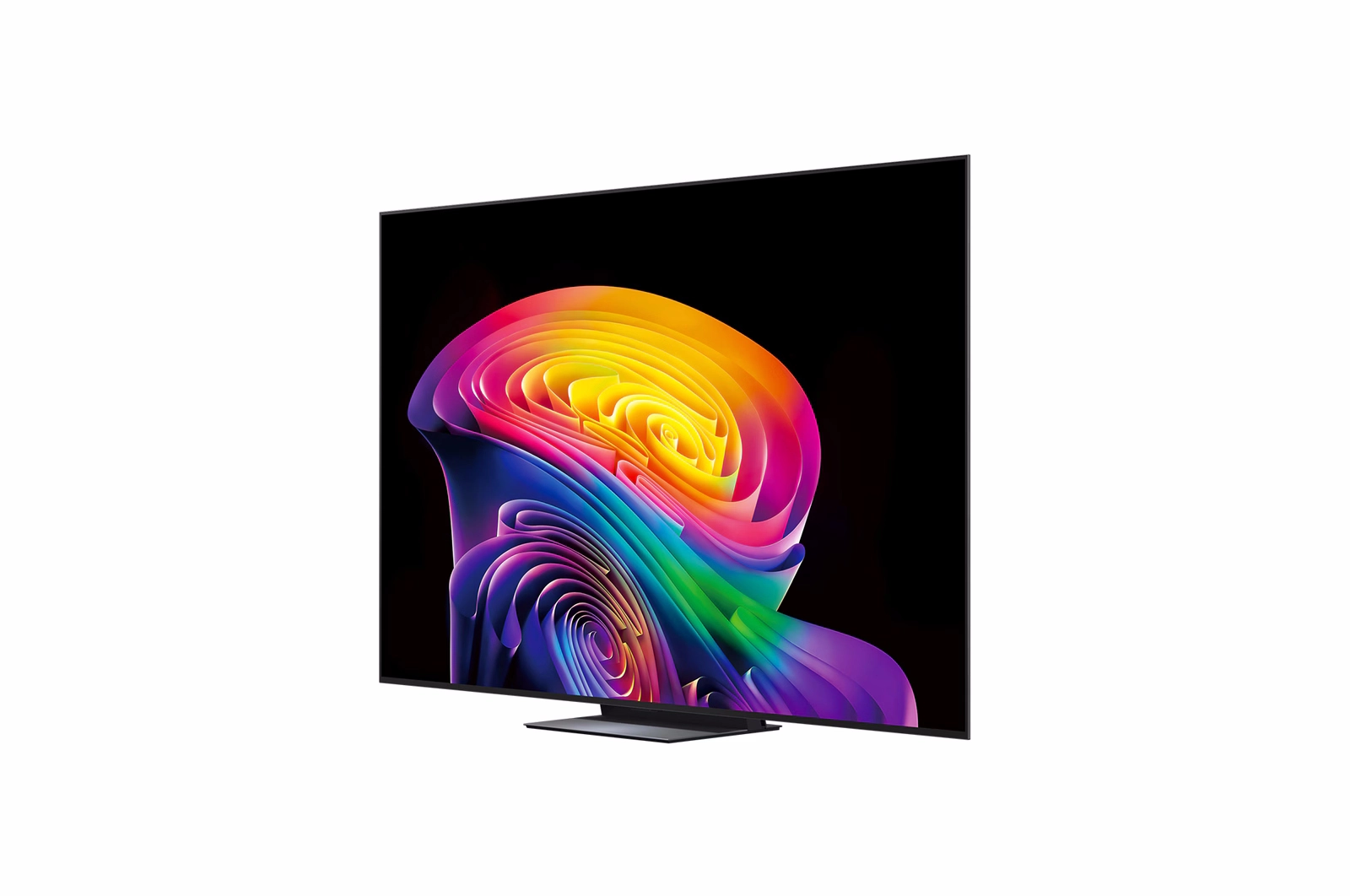
According to technical specifications released by the company, the transition promises substantial performance gains. Panels produced via FLiPP are reportedly 1.6 times brighter and 2.4 times more durable than conventional RGB OLED equivalents, while simultaneously cutting power consumption by 13 percent. LG intends to debut this technology in the IT sector, targeting tablets and high-performance monitors before scaling production to include ultra-large televisions and compact wearable devices. While the company has yet to provide a firm timeline for commercial availability, the development marks a shift toward more versatile and efficient display architectures.



Comments (0)
No comments yet. Be the first!