
Industry activity is bifurcating into two primary spending pools: the construction of entirely new high-speed rail corridors and the intensive upgrade of legacy networks. Recent capital outlays highlight this trend, such as Siemens Mobility’s $352 million modernization program in Romania, which covers 560 km of track and 122 level crossings. Simultaneously, Alstom has secured contracts for signaling deployment on Poland’s Line 85, underscoring the appetite for integrated systems that combine traffic management with interlocking technology.
Global Railway Signaling Market Poised to Reach $32.6 Billion by 2033
The global railway signaling market is set for sustained expansion, with projections indicating growth from $21.99 billion in 2026 to $32.60 billion by 2033. Driven by a 5.8% compound annual growth rate, the sector is currently fueled by a dual demand for greenfield high-speed infrastructure and large-scale brownfield modernization programs.
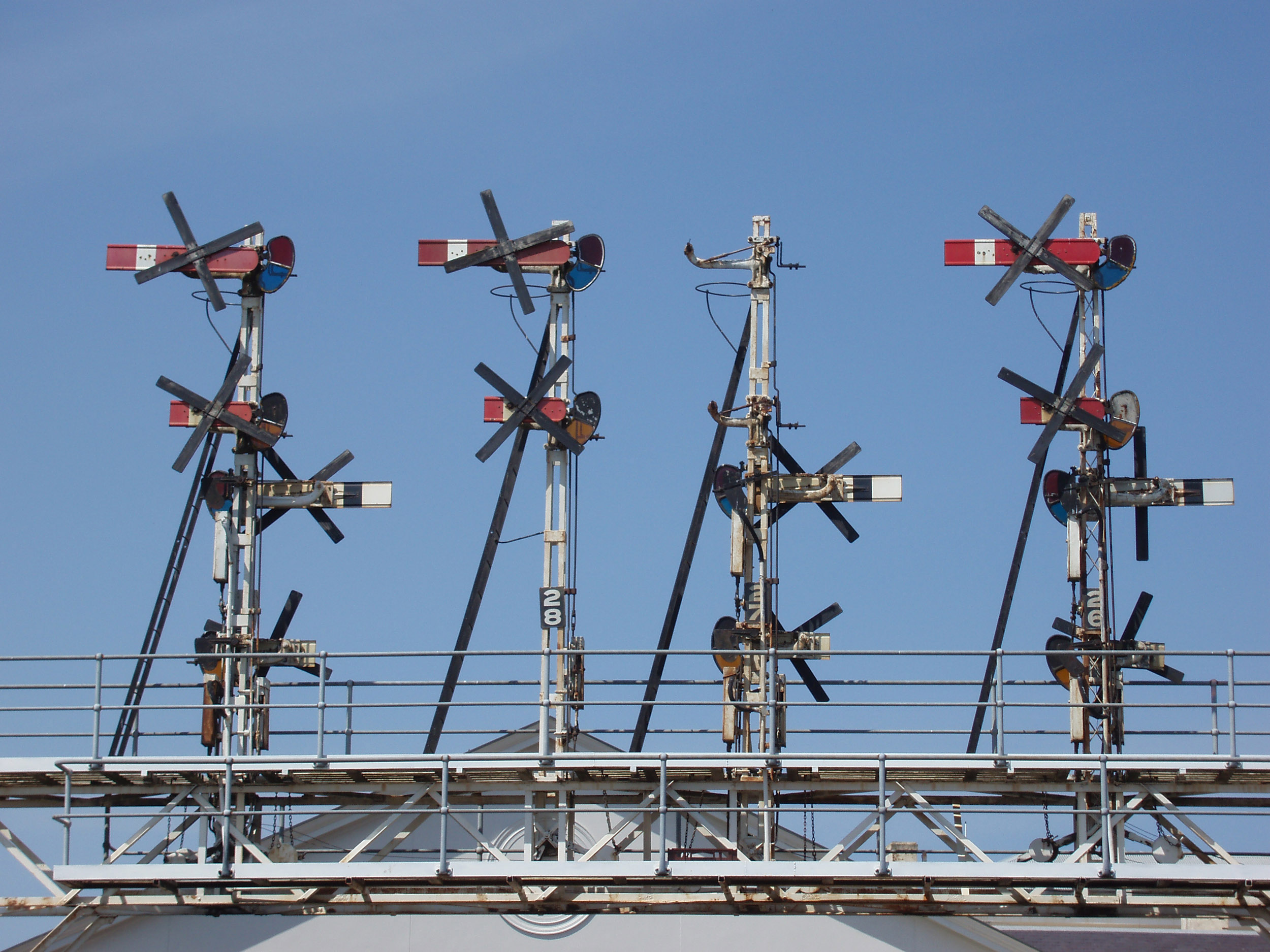
Communication-Based Train Control (CBTC) remains the dominant technological driver. Procurement strategies increasingly link CBTC implementation with fleet mid-life upgrades, as seen in the $344.7 million contract for Lausanne’s m2 metro line. This integrated approach allows operators to achieve significant capacity gains while extending the operational utility of existing rolling stock. Furthermore, the market is witnessing a shift toward long-term, volume-based procurement models, exemplified by Deutsche Bahn’s $6.51 billion framework for digital signaling units. Such agreements provide suppliers like Siemens Mobility, Alstom, and Hitachi Rail with the revenue visibility necessary to standardize platforms across national networks through 2032.




Comments (0)
No comments yet. Be the first!